Showing posts with label Coasts. Show all posts

Sunday, 22 November 2020

News in brief: 16th - 22nd November 2020

Banning petrol cars by 2030
As part of the UK's move to become more carbon neutral, the government announced that it plans to ban the sale of petrol cars by 2030 meaning that electric cars will dominate the market; this is great news for the environment but there are concerns around ensuring that there is enough infrastructure to cope with the numbers of cars and vehicles that will need regular recharging
Click here to read more...

Oil pollution in the Arctic
New rules around shipping in the Arctic have been recently brought in to protect it from oil pollution which can threaten wildlife; it appears, however, that some of these rules don't go far enough as there are several loopholes that allow ships from Arctic coastal states to sail around which will mean that some oil will still enter the waters
Click here to read more...

New global map of bees
Bees play a hugely important role in pollinating plants which helps to keep our ecosystems thriving; scientists have created a new map which shows the distribution of all 20,000 bee species and this will help inform further efforts to conserve bees and ensure their survival
Click here to read more...

Sunday, 8 November 2020

News in brief: 2nd November - 8th November 2020

The UK's carbon-free future
It is thought that the UK will need specific rules if it is to meet its carbon reduction targets in the future; suggestions are that households appliances will need to have strict standards in energy efficiency, all new homes should be carbon neutral, and new cars should be electric or hybrid
Click here to read more... 

Raw sewage dumped onto UK beaches
It has become apparent that water companies in the UK have been dumping raw sewage onto bathing beaches around 3,000 times a year; this occurs as a result of overflows after heavy rainfall and there are concerns about the health implications this may have on beach users and sealife
Click here to read more...

Danish mink under threat
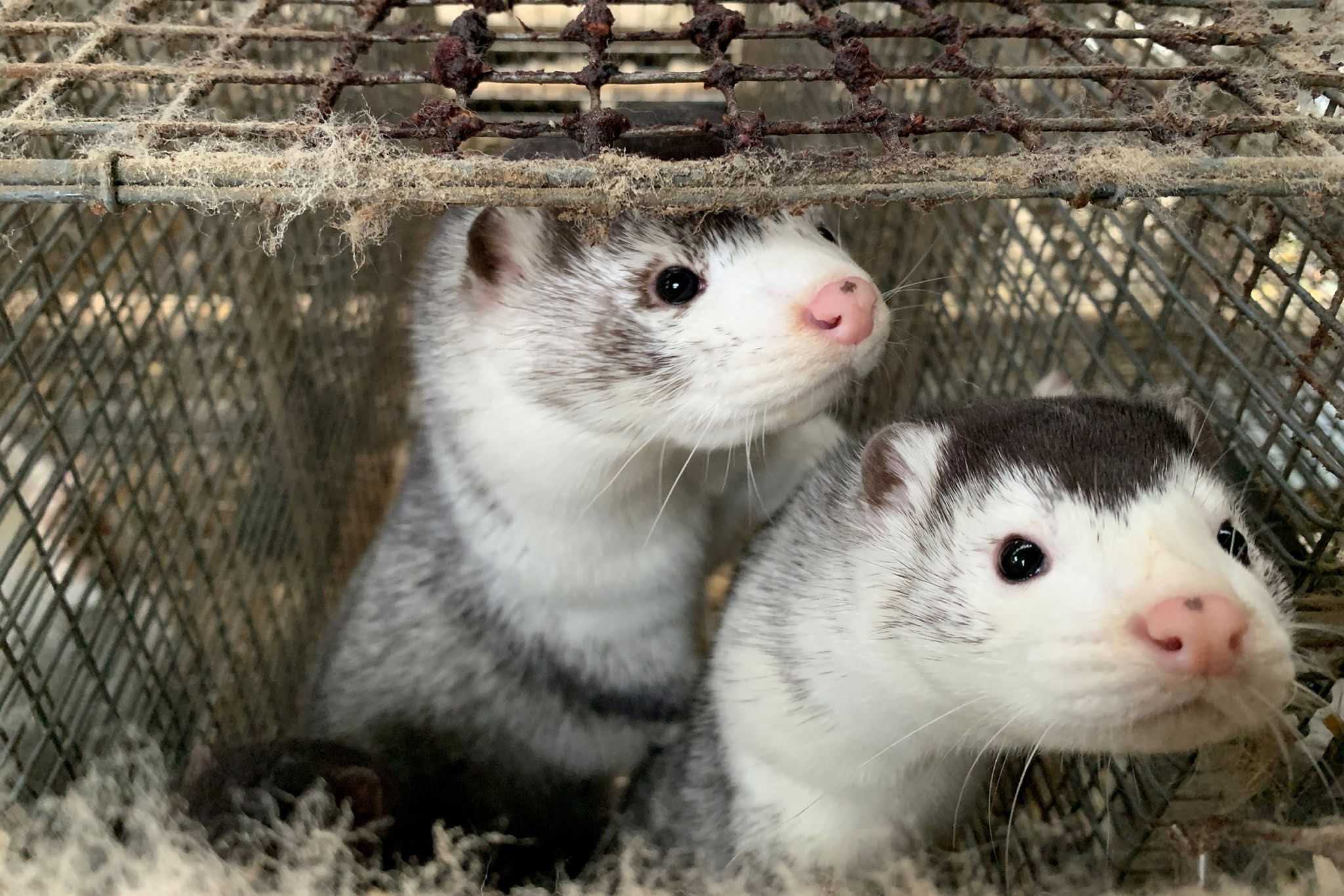
The Danish government has announced that all mink must be culled after it was suspected that a strain of covid has mutated and passed between cages minks; this is devastating for the mink industry in Denmark but scientists believe that if this does not happen then it will undermine the efforts to find an effective covid vaccine in the future
Click here to read more...

Friday, 30 October 2020

Hurricane Zeta makes landfall in the US

The US has seen another powerful hurricane make landfall this week after building up speed and strength in the Gulf of Mexico.  Hurricane Zeta moved inland through Louisiana and Mississippi on Thursday and left more than 2.6 million people without power across a number of southern states.  Wind speeds are thought to have reached 100mph and six people are known to have died.  

A lot of damage has been done to buildings and power lines as the fierce winds ripped through the streets and brought down trees and electrical cables.  In coastal areas, flood waters have risen and flooded people's homes and businesses.  For residents of New Orleans who remember the damage caused by Hurricane Katrina, this has brought back some difficult memories from that time.

The US has seen 27 storms so far in this year's hurricane season.  It normally sees around 6 hurricanes and 12 large named storms.  This increase in storm frequency is becoming part of an all too common change in global weather patterns.  Climate change is adding warmth and moisture to these storms which makes them more powerful, more frequent, and more likely to cause devastating damage when they reach land.  If the US and other countries around the world can work together to reduce carbon emissions, it should help stop the frequency of these storms which will help save lives and save money from the cost of damage caused.  

Click here to read more...

Thursday, 15 October 2020

Losing the Great Barrier Reef

Scientists have been monitoring the Great Barrier Reef for several decades. The phenomenon of coral bleaching is now widely known as a devastating impact of the warming oceans that they live in.  This is a stress response by the coral that causes them to expel the algae that live inside them, resulting in the coral losing the bright colours that the algae give them and returning them to their white skeletal colour. 

The warming seas are a direct result of climate change.  When the earth's atmosphere warms, the water warms with it. Marine life such as coral are extremely sensitive to these changes and cannot tolerate even a small rise in temperature.   The coral starts to die and this has a knock on effect on the species and organisms that feed on and live off the coral.  

Australia's Great Barrier Reef is now thought to have lost around half of all its coral since 1995. This has occurred across all types and sizes of coral, and we are now seeing reduction in the sealife that use the coral as a habitat too. 

The warming has also contributed to the growth of other organisms that thrive in warmer waters and this is changing the balance of the ecosystems.  So what can be done?  The main answer would be to halt the rise in global temperatures.  This is a difficult challenge and can only be done by committing to reducing greenhouse gas emissions and investing in renewable energies.  We can also try to limit our plastic pollution as this can also harm the wildlife that live in this delicate ecosystem.  Scientists are also looking at ways to restore coral reefs and grow it back by creating coral nurseries.  This looks to be a successful option but will take time to establish and will only be sustainable if temperatures don't continue to rise.

To find out more and get involved, click on the links below:
🐚 The WWF

Sunday, 30 August 2020

News in brief: 24th - 30th August 2020

Storm Francis causes widespread flooding
Strong winds and heavy rain brought by Storm Francis has caused widespread flooding across large parts of the UK and particularly Wales; the Met Office put out extreme weather warnings and evacuated people from some areas as wind speeds reached up to 75mph
Click here to read more...

Poor wheat harvest pushes up bread prices
The price of bread may rise after the worst wheat harvest in the UK in 40 years; extreme weather has affected crop growth, with flooding causing problems with sowing last autumn and dry spells in the summer limiting nutrient uptake
Click here to read more...

Protest over Mauritius oil spill
Thousands of people have gathered to march in protect about the large oil spill off the coast of Mauritius last month; it is thought that around 1,000 tonnes of oil have been spilt into a precious wildlife area, and that the government has done little to clean up the spill or prevent it from happening in the first place
Click here to read more...

A good season for butterflies
All the warm weather over spring and summer this year has made it an excellent season for a number of butterfly species; lots of British native species have been seen in abundance although there are still several that are in decline overall
Click here to read more...

Friday, 28 August 2020

Hurricane Laura hits the US

A new storm named Hurricane Laura has made landfall in the south US this week. The storm was labelled a category 4 (the highest being category 5) with wind speeds of around 150 miles per hour.  It was headed towards the states of Texas and Louisiana which is just west of the city of New Orleans which was battered by Hurricane Katrina back in August 2005.  

As Hurricane Laura approached, half a million people were told to leave the area in case of storm surges but the effects of the storm were not as bad as were feared.  There were widespread power cuts to around half a million homes and the strong wind speeds caused damage to buildings and vehicles.  Six people are known to have died, four from falling trees, one from a boat that sank and one from carbon monoxide poisoning.  There was also a chemical fire at an industrial plant.  Overall, the storm was less damaging than was expected as it quickly lost its power over land and began to track east.  It has now been downgraded to a tropical storm and 1,500 people have moved in to help with the clean up operation.

This is probably one of the first of many storms during America's hurricane season. The UK also saw bad weather this week with Storm Francis bringing heavy rain and unseasonably strong winds of up to 80mph.   With climate change continuing to alter weather patterns, it is only looking increasingly likely that we will have more of these storms in the future and will have to look at better ways of mitigating their impacts.  


Sunday, 16 August 2020

News in brief: 10 - 16 August 2020

Mauritius oil spill worsens
The Japanese bulk carrier that began spilling oil last week has now broken into two pieces; hundreds of tonnes of oil have spilt into the area since the end of July and large numbers of volunteers have now stepped up to help with the clean up effort
Click here to read more...

Plans for renewable heat networks
Two projects have been given extra funding to supply buildings in south Wales with waste heat generated from industrial sites; a system of underground pipes will transfer the heat from the site to the buildings, and this will help to save both carbon emissions and costs of heating
Click here to read more...

Arctic ice shelves breaking up
New satellite photos from the Plant-Earth observation company have shown a worrying break in the Milne Ice Shelf in the Arctic; this is one in a series of many break-up events over the last 15-20 years and as such is yet more evidence of the rapidly warming climate
Click here to read more...


Saturday, 8 August 2020

News in brief: 3 - 9 August 2020

Oil spill in the Indian Ocean
A ship has begun leaking fuel off the coast of Mauritius after running aground on a coral reef; Mauritius has now declared a state of emergency with thousands of sealife at risk which may affect both the animal and human populations in the area
Click here to read more...

Beavers in England
A group of beavers have been allowed to remain on the River Otter in east Devon after a five-year reintroduction trial; beavers are a great help to the environment as they build dams which helps to slow flooding and they can also boost local wildlife populations
Click here to read more... 

Rising risk of extreme droughts 
Climate change is increasing the risk of extreme droughts across central Europe which will have a significant impact on crop production; central Euope suffered the biggest droughts in 2018 and 2019 which caused rivers to dry up, crops to be ruined and more frequent wildfires than normal
Click here to read more... 

Wednesday, 25 September 2019

News in brief - Wednesday 25th September

UN oceans report warns of climate change impacts
A new report from the United Nations is showing that climate change is having devastating impacts on our seas and oceans; melting ice is causing the release of significant amounts of carbon dioxide and warming seas are leading to the mass migration of wildlife

Mont Blanc glacier in danger of collapsing
Reports that around 250,000 cubic metres of ice are at risk of breaking away from a Mont Blanc glacier have caused road closures and evacuations in the area; local people are saying the mountain is changing due to global warming and that the glacier is moving more quickly than normal

North Sea cod population falls
Recent data is showing that the numbers of cod in the north sea are declining and that fisherman may no longer be allowed to catch it; this comes two years after the fishery was given the 'blue tick' eco-label to certify sustainability 

Tuesday, 12 March 2019

In pictures - Storm Gareth brings flood warnings

Coastal areas have received flood warnings as Storm Gareth approaches (Image credit: The Independent)
>> How can coastal areas adapt to the impacts of increasing storms and floods?

Sunday, 10 March 2019

News in brief - 10th/11th March

Cracks appearing in Scottish nuclear reactor
Hairline fractures have appeared in the bricks of a nuclear reactor in Ayrshire, south-west Scotland; the owners of the power plant (EDF Energy) are seeking permission to restart the reactor, following a safety inspection

Health concerns over use of the herbicide 'Roundup'
Farmers in the USA who have used the herbicide 'Roundup' for decades are now facing serious health issues; the weed-killing manufacturer is being charged with a series of court cases from people who have been diagnosed with various cancers and non-Hodgkin lymphoma, claiming they were not aware of the carcinogenic properties of the chemical before using it on their crops

Oil spill in the Solomon Islands
An oil tanker has run aground on the Kongobainiu reef near Rennell Island in the south of the Solomon Islands, turning the waters black and killing many of the fish; the locals are left with no livelihood as they cannot go fishing in the oily sea and many have no access to clean drinking water either 

Wednesday, 6 March 2019

In pictures - coastal wetlands act as carbon stores

New research has shown that coastal wetlands could become significant stores of carbon (Image credit: NatGeo)
>> Where in the world do we find coastal wetlands? How do they store carbon?

News in brief - Wednesday 6th March

The role of wetlands in climate change
Researchers have identified coastal wetlands as being potential stores of huge amounts of carbon; as plants die, they decompose and the carbon becomes trapped in the mud rather than releasing it into the atmosphere, making it an excellent carbon store as sea levels rise

Policy review on fracking
The UK's High Court has found that the government's policy on fracking does not reflect what the latest scientific evidence shows; fracking has become a frequently controversial issue due to its high cost and environmental impacts

Wolves to tackle US moose population
The growing moose population in Michigan has become a problem since wolves have not been able to migrate into the area due to melting ice bridges; four wolves have been relocated from Ontario in Canada to a Michigan national park to try and control the number of moose in the area

Tuesday, 5 March 2019

In pictures - Australia's Great Barrier Reef

The ecology of Australia's Great Barrier Reef is facing a new threat of marine heatwaves (Image credit: CNN)
>> What is coral reef?  What is it made of and why is it so sensitive to temperature change?

News in brief - 5th March

Impact of farming and forestry on bird species
The number of bird species going extinct has risen dramatically over the last ten years; this loss of wildlife is being attributed to farming (particularly for soy and palm oil) and forestry practices which destroy the habitats of certain birds, leaving them with no where to live

Extreme weather events on the rise in California
With rising temperatures and shifts in climate patterns, California is experiencing increasingly dry winters which are resulting in more intense summer forest fires; scientists have been monitoring rainfall patterns and are recommending that fire management strategies are developed to limit loss of life and property

Heatwaves in the oceans
High pressure weather systems over Australian waters are having a warming effect on the ocean water beneath; the delicate marine organisms that live there have a very small temperature tolerance range and are not able to survive in increasing warm water, putting the whole marine ecology in that area at risk

Tuesday, 16 October 2018

In pictures - Storm Callum

A sea wall being pummelled by wind and waves from Storm Callum (Image credit: BBC)
>> What do you think the environmental, social and economic effects of this flood will be?

Thursday, 11 October 2018

In pictures - Hurricane Michael

Hurricane Michael brings strong winds and flooding to north-west Florida (Image: credit: Getty Images)
>> Research: find out three primary and three secondary impacts of this hurricane

Sunday, 7 October 2018

News in brief - 6th/7th October

Climate change warnings
A recent report by the IPCC states that we are no longer on track to stay within a warming limit of 1.5 degrees celsius, and that a warming of around 3 degrees celsius is more likely; this would mean the end of coral reefs, and would impact on all ocean wildlife as water temperatures rise and ice melts

Tsunamis - the long term response
As the search for survivors in Indonesia begins to wind down, the question is being asked as to whether we are prepared for future tsunamis; early warning systems need to be improved and emergency services better equipped to deal with the damage and chaos

Sinking cities
More and more of the world's cities will be at risk of floods and storm surges as climate change continues to melt ice caps and create bigger storms; city planners are failing to prepare for potential sea level rise, and this is compounded by the growth of cities whose weight literally pushes the land down and lowers it to nearer sea level 

Wednesday, 3 October 2018

In pictures - Bangkok's anti flood park

An anti-flood park in Bangkok could be the answer to the city's flooding problems (Image credit: Landprocess)
>> Research: where is Bangkok and why is it flooding?